
Breast Reconstruction
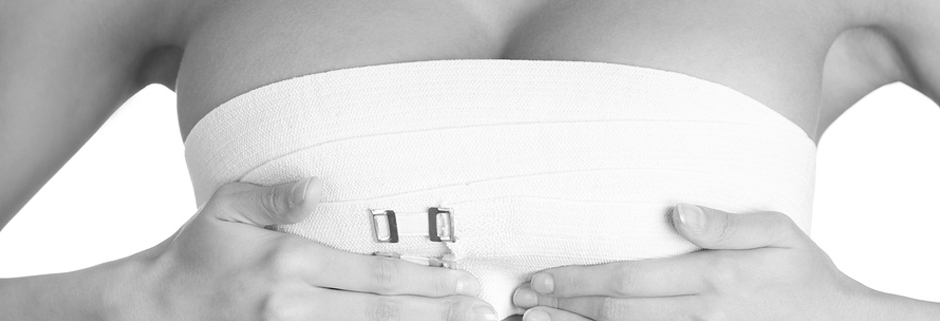
Breast reconstruction is a surgical procedure that restores the shape, appearance, and symmetry of one or both breasts following a mastectomy, lumpectomy, congenital breast condition, or breast trauma. Using breast implants, a patient’s own tissue, or a combination of techniques, breast reconstruction can help recreate a natural-looking breast contour while supporting physical and emotional recovery. Reconstruction may be performed at the same time as breast cancer surgery or at a later date, depending on a patient’s treatment plan, health considerations, and personal preferences.
Breast reconstruction is not a single procedure but a highly personalized process that may involve multiple stages to achieve the desired outcome. Depending on the patient’s anatomy, cancer treatment history, and aesthetic goals, reconstruction options may include implant-based reconstruction, tissue flap procedures such as DIEP flap reconstruction, fat grafting, and nipple-areola restoration. Because every patient has unique goals and circumstances, breast reconstruction is tailored to each individual’s needs and designed to help restore confidence, comfort, body image, and quality of life while providing results that look and feel as natural as possible.
Who is a good candidate for Breast Reconstruction
Most women who undergo a mastectomy or experience breast changes due to cancer treatment may be candidates for breast reconstruction. Eligibility depends on factors such as overall health, body type, medical history, smoking status, cancer treatment requirements, and personal preferences. A consultation with a board-certified plastic surgeon can help determine the most appropriate breast reconstruction approach and whether immediate or delayed reconstruction is recommended.
Timing of Breast Reconstruction
Breast reconstruction can be performed at the same time as a mastectomy, known as immediate reconstruction, or months or years later through delayed reconstruction. Immediate breast reconstruction allows patients to begin restoring breast shape during their cancer surgery, while delayed reconstruction may be recommended when additional treatments such as radiation therapy are planned. Understanding the benefits and considerations of each option can help patients make informed decisions that support both their medical and aesthetic goals.
Breast Reconstruction Videos
Breast Reconstruction Results and Expectations
Breast reconstruction is designed to restore the appearance, shape, and symmetry of the breasts following mastectomy or other breast cancer treatments. While reconstruction can create natural-looking results, reconstructed breasts may not look or feel exactly like natural breast tissue. Factors such as the reconstruction method used, body characteristics, and healing response can influence the final outcome. Setting realistic expectations helps patients better understand the reconstruction journey and potential results.
Breast Reconstruction Recovery
Recovery after breast reconstruction varies depending on the procedure performed. Implant-based reconstruction typically involves a shorter recovery period, while flap procedures often require additional healing time because they involve multiple surgical sites. Patients can expect swelling, bruising, temporary discomfort, and activity restrictions during the healing process. Following post-operative instructions and attending follow-up appointments play an important role in achieving optimal breast reconstruction results.
Breast Reconstruction Risks and Complications
As with any surgical procedure, breast reconstruction carries potential risks and complications. These may include infection, bleeding, poor wound healing, implant-related complications, tissue loss, scarring, or the need for additional procedures. Certain factors, such as smoking, diabetes, obesity, and previous radiation therapy, may increase surgical risks. Understanding potential complications helps patients make informed decisions and prepare for a safe recovery.
Breast Reconstruction and Cancer Treatment
Cancer treatments can significantly influence breast reconstruction planning and outcomes. Radiation therapy may affect skin quality, healing, and implant success, while chemotherapy can impact surgical timing and recovery. Close coordination between the breast surgeon, oncologist, and plastic surgeon helps ensure that breast reconstruction is safely integrated into the overall cancer treatment plan. Individualized treatment planning can help optimize both reconstructive and cancer care outcomes.
Breast Reconstruction Scars and Appearance
Scarring is a natural part of the breast reconstruction process. The location and extent of scars depend on the type of reconstruction performed, the surgical approach used, and individual healing characteristics. While scars typically improve and fade over time, they may remain visible to some degree. Surgeons use advanced techniques to place incisions strategically whenever possible, and additional treatments may help improve scar appearance during recovery.
Breast Reconstruction Insurance Coverage and Costs
Federal law requires most health insurance plans that cover mastectomy procedures to also cover breast reconstruction surgery. Coverage may include reconstruction of the affected breast, procedures to improve symmetry, nipple reconstruction, and treatment of reconstruction-related complications. Insurance benefits, deductibles, co-payments, and out-of-pocket expenses vary by plan, making it important for patients to verify coverage details before treatment. Understanding the financial aspects of breast reconstruction can help patients plan with confidence.
Breast Reconstruction Nipple and Areola Restoration
For many patients, nipple and areola restoration is the final stage of breast reconstruction. Options may include surgical nipple reconstruction, 3D nipple-areola tattooing, or a combination of both techniques. These procedures can help enhance the overall appearance of the reconstructed breast and create a more complete, natural-looking result. The best approach depends on individual preferences, anatomy, and reconstruction goals.
Facilities & Hospital Affiliations
Our surgeons have hospital privileges at Montefiore Medical Center, Jacobi Medical Center, Westchester Medical Center, Montefiore New Rochelle and New York Presbyterian Lawrence Hospital. They also perform procedures in their fully accredited operating room in Harrison, NY.
Our state of the art facility is professionally designed and decorated for your comfort. We are always interested to know if there is anything we can do to enhance your experience. We appreciate your suggestions and pledge to work as a team to make your time here a rewarding experience.
- Montefiore Medical Center
- Jacobi Medical Center
- Westchester Medical Center
- Montefiore New Rochelle
- New York Presbyterian Lawrence Hospital
Accreditation and Associations
We maintain an AAAASF accredited surgical suite, equipped like a hospital operating room with the privacy and ease of an office setting, offering full general anesthesia for more complex procedures as well as sedation and local anesthesia for other procedures. We enjoy a strong relationship with some of the finest hospitals in the area, offering overnight and extended post-operative stays if medically advisable. This is ideal for our out of town patients, those with little post-operative help, or those desiring a more private recovery. We can also arrange your stay at a variety of hotels within minutes of our facility and arrange an overnight “sitter” if desired.




Contact Us
Schedule your Breast Reconstruction Consultation
Please contact us with any questions or if you would like to setup a time for a one-on-one consultation with one of our surgeons.